
Here is a confession. I never really thought cottagecore would stick around. The trend arrived, and we all loved all the flowers, linen, and softness. But I think we all assumed it would probably be gone by the following spring.
However, a few years later, the aesthetic is still here—and, honestly, I’ve stopped being surprised.
After all, there is indeed something special about the interior that prioritises warmth, nature, and that comforting sense that you’re always just five minutes away from a very good cup of tea.
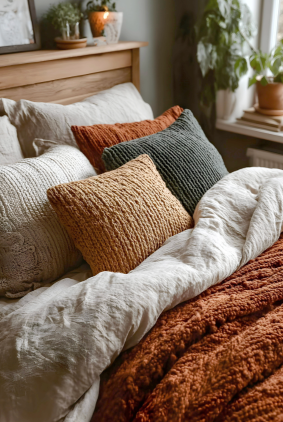
The Difference Between Cottagecore and Cottage
Let’s explain the difference between the styles as cottage and corragecore can be easily mixed up. Cottagecore takes the core of the cottage aesthetic which are organic materials, soft textures, and a its romanticism. However, the most important difference is that it strips away the fussiness.
In other words there are no lace doilies, no framed embroidered mottos. And certainly no floral wallpaper layered over floral carpet and finished with floral curtains. So all cluttered elements that are related to cottage are removed.
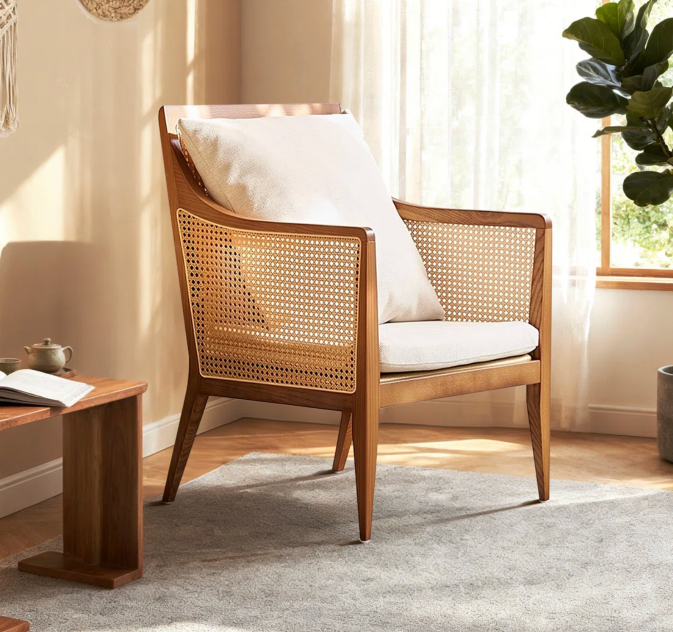
Instead, the modern version keeps the warmth with a sense of restraint. For example, one rattan chair is cottagecore. By contrast, four rattan chairs, with two matching rattan side tables, a rattan mirror, and a laundry basket, are not cottagecore. This is more like a furniture catalogue from 1987.
The Materials That Actually Work
You’re working with a specific palette of textures here, and mixing them is what prevents the look from feeling themed.
- Rattan and cane: one or two pieces maximum — a chair, a lampshade, a side table
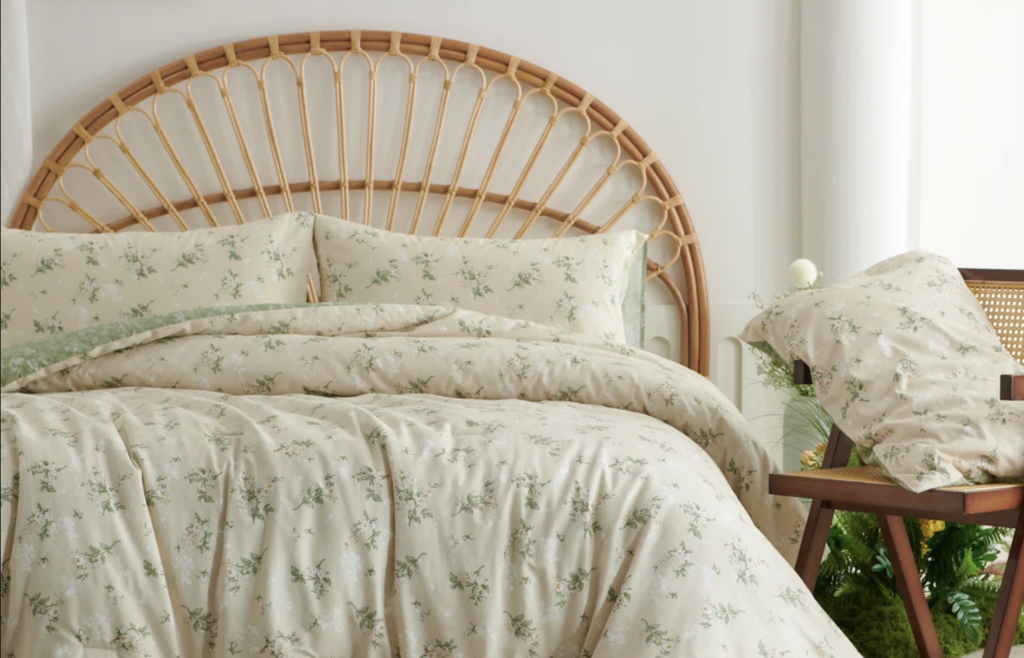
- Linen: everywhere you can get away with it — cushions, curtains, throws, even a linen-covered headboard
- Raw wood: unfinished, knotted, characterful — not sleek or lacquered
- Ceramic: handmade-looking pieces with slight imperfections, in earthy tones
- Dried flowers and grasses: a loose arrangement in a simple jug rather than a formal display
Example Products
Rattan Armchair
Comforter Set
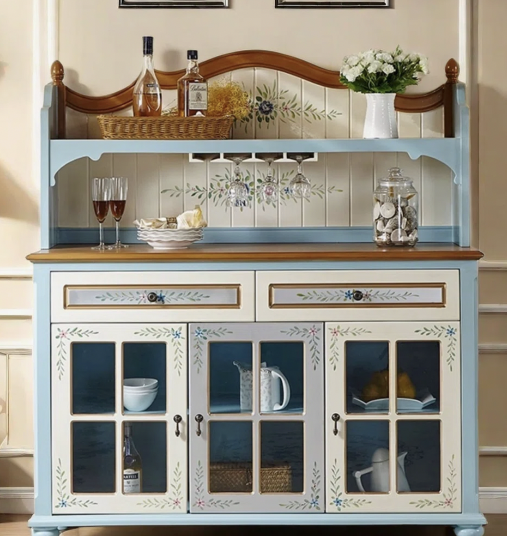
Stylish Sideboard
Colour: Go Warm, Go Muted
Cottagecore doesn’t do bright. It does sage greens, dusty pinks, warm creams, terracotta, and the particular yellow-beige of old linen. These colors work together without much effort because they all come from the same tonal family — warm and slightly faded, like they’ve spent time in gentle sunlight.
If you want to bring in something more saturated, do it in small doses: a deep forest green velvet cushion, a rust-coloured throw. Let the neutrals do the heavy lifting.
Plants: The More, The Merrier
This is the one area of cottagecore where maximalism is permitted, even encouraged. Trailing pothos, climbing philodendrons, a small herb collection on the windowsill, dried lavender hanging from a beam if you have one — plants of all sizes bring the outside in, which is fundamentally what this whole aesthetic is about.
Mix varieties freely. The slightly chaotic arrangement of different green tones is the point.
What is Worth Investing In?
When building a cottagecore-inspired space, the pieces that carry the most visual weight can be something like a generous linen sofa in a warm neutral, a wooden dining table with visible grain and imperfections, and proper lighting. Ideally it would be a pendant with a natural material shade and warm-toned bulbs.
When you get those three things right and combine it with everything else; the cushions, the plants, the little ceramic objects; everything falls into place around them.
The beauty of this particular aesthetic trend is that it rewards the imperfect and the personal. That handmade mug, the charity shop vase, the bunch of wildflowers from the market — these are features, not flaws, and you should enjoy them.


